
Voor ik begin even iets anders…
Heeft de uitslag van het Brexit-referendum u ook zo verbaasd? Ik dacht letterlijk: “hoe is deze uitkomst mogelijk? Het kan toch niet waar zijn dat de Britten dit echt menen. Denken ze nu echt dat ze op eigen houtje meer succes zullen behalen dan samen met continentaal Europa?” Natuurlijk is Europa in de huidige vorm niet perfect en valt er van alles op aan te merken, maar om een systeem te veranderen moet je erin zitten en niet erbuiten!
Als HillFive zijn we gespecialiseerd in het realiseren van prestatieverbetering in bedrijven met een netwerk (zoals Telecom, Energie en Kabel). Onze klanten bestaan vanwege het realiseren van verbinding. Het realiseren van verbinding is daarom (metaforisch) zeker een centraal thema in onze bedrijfsvoering, onze productontwikkeling en ons denken.
 Om succesvol te zijn in dit tijdperk van globalisering moet je competenties hebben of ontwikkelen die gericht zijn op samenwerken. Dat geldt voor landen en dat geldt ook voor bedrijven, divisies of afdelingen. We zien echter in de praktijk dat veel verbetermogelijkheden onbenut blijven vanwege het feit dat de vaardigheden van de betrokken spelers onvoldoende of te eenzijdig aandacht krijgen of worden doorontwikkeld. Binnen organisaties waar techniek een belangrijke rol speelt gaat veel aandacht (logischerwijs) uit naar de techniek. Echter wordt daarbij de balans met de andere twee categorieën vaardigheden die belangrijk zijn voor succes regelmatig uit het oog verloren (zijnde interpersoonlijke vaardigheden en bedrijfskundige kennis).
De samenhang tussen deze drie vaardigheden is van groot belang als fundament voor de competenties van succesvol samenwerken en het verbeteren van prestaties:
Technische kennis: welke kennis en vaardigheden heeft een vakman nodig om zijn vak goed uit te kunnen oefenen? Bijvoorbeeld een werktuigbouwer moet sterkteberekeningen kunnen maken of een telecomspecialist moet interferenties kunnen voorspellen en oplossen.
Interpersoonlijke vaardigheden: de vaardigheid om effectief te kunnen samenwerken met mensen uit andere disciplines of afdelingen. Bijvoorbeeld vanuit een Engineering-afdeling effectief overleggen met collega’s uit Productie om samen de eenvoud van assemblage van een nieuw product te optimaliseren.
Bedrijfskundige kennis: de kennis van productiebesturingsmethoden zoals Lean, Six-Sigma, Agile, de bottleneck-theorie van Eli Goldratt en uiteraard bedrijfseconomische kennis om een business case te kunnen opstellen, verdedigen of doorgronden.
What if….
Een tekort aan interpersoonlijke vaardigheden binnen de organisatie kan leiden tot ongeaccepteerde oplossingen, silo-denken, gebrek aan samenwerking en uiteindelijk tot onvoldoende daadkracht of slagkracht van de organisatie in het realiseren van het gemeenschappelijk doel.
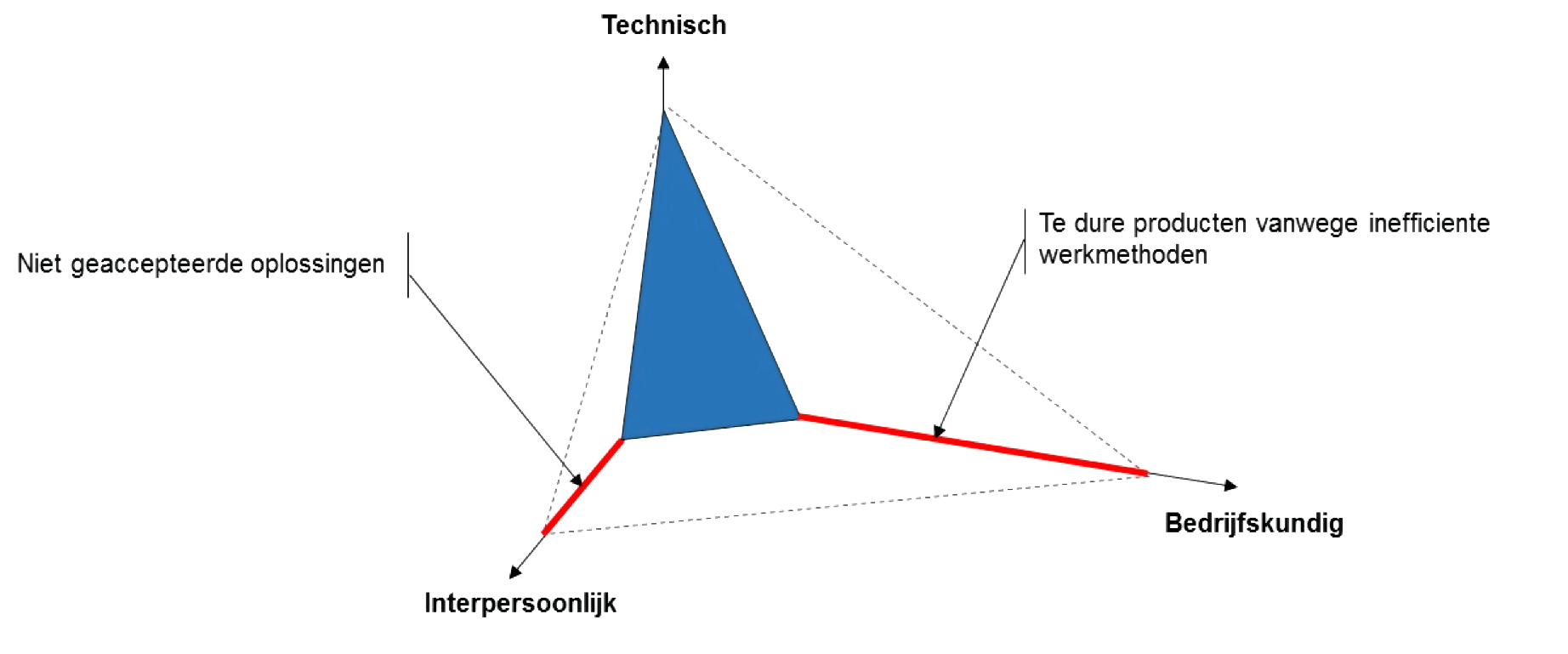
Figuur 1: Mate van aanwezigheid van vaardigheden
In figuur 1 is een typisch profiel weergegeven zoals wij dat in de praktijk vaak tegenkomen. De technische vaardigheden krijgen veel aandacht, worden op waarde geschat en zijn goed op niveau. Op de andere twee assen blijft de ontwikkeling achter, er wordt onvoldoende aandacht aan gegeven.
Een tekort aan bedrijfskundige vaardigheden leidt uiteindelijk tot te dure producten. Er kan niet gewerkt worden met state-of-the-art productietechnieken. Er wordt wel goed samengewerkt, maar de bedrijfsprocessen zijn inefficiënt ontworpen vanuit een gebrek aan kennis over de laatste methoden en technieken.
Vanwege deze what-if’s ook mijn advies: kijk vooral naar het geheel. Weeg alle factoren mee. Misschien is het een goed idee om eens te investeren in de zaken die tot dan toe onderbelicht zijn gebleven. Anders geformuleerd:
E = K * A * M
De effectiviteit (E) van wat je doet is het product van de kwaliteit (K) van de oplossing (waarvoor je technische kennis nodig hebt), de acceptatie (A) (waarvoor je interpersoonlijke vaardigheden nodig hebt en de wijze van managen (M) (waarvoor de bedrijfskundige vaardigheden nodig zijn)
 Vanuit deze integrale blik helpen we onze klanten om business case gedreven competenties te ontwikkelen. Het uitgangspunt is een uitdaging of issue in de business. De aangrijpingspunten zijn de competenties en het gedrag van mensen. Door training en coaching on-the-job verbeteren de prestaties. De duurzaamheid van de resultaten wordt geborgd door het feit dat mensen het in de praktijk ervaren. Uiteraard in combinatie met het gebruik van instrumenten zoals intervisie om verder te reflecteren samen met collega’s of onafhankelijke buitenstaanders en e-learning om de details van de nieuwe manier van werken er nog eens op na te kunnen slaan.
Rest mij nog een vraag:
Hoe zit het eigenlijk in jouw organisatie met deze balans? Krijgen deze drie aspecten in evenredigheid genoeg aandacht, of ligt het accent altijd op één aspect? Wat zou je kunnen doen om dit te optimaliseren? En wat zou dat opleveren?
Ik hoop dat dit wat (healthy) food-for-thought oplevert en ben zeer benieuwd naar je reactie en/of commentaar. Je kunt gewoon mailen naar hans.spitsbaard@hillfive.nl.
PS. Ik ben trouwens niet zo bang voor de gevolgen van een Brexit. Het komt vaak voor dat een schok leidt tot inspiratie om te verbeteren. Er komt besef dat verbetering noodzakelijk is en daarna volgt actie. We leven in mooie turbulente tijden!